
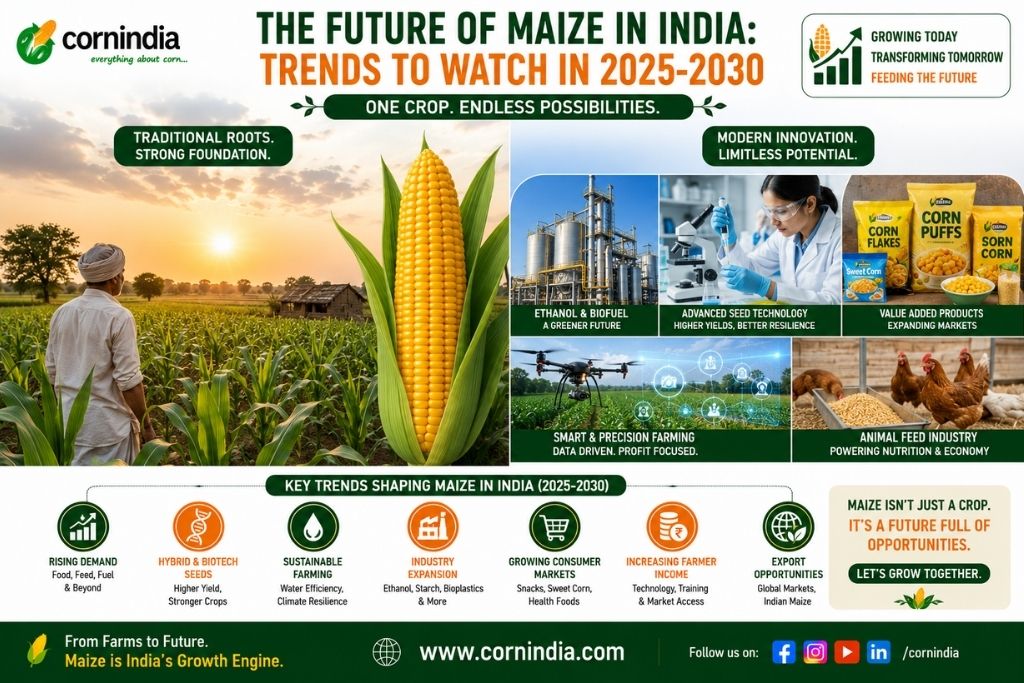
Five years from now, India's maize sector will look meaningfully different from how it looks today — not because of one single disruption, but because several forces already in motion are compounding at once. A newly released industry report puts a number on just how much: India's maize demand is projected to surge from around 50 million tonnes in 2025-26 to nearly 72 million tonnes by 2030-31 — a 44% increase — driven by ethanol blending, poultry feed, and industrial processing.
That's the headline. But the more interesting story is what's driving that number, where the genuine risks sit alongside the growth, and what all of this means for the different people who read this site — the farmer deciding what to plant next season, the agri-business scoping where to invest, the researcher tracking where innovation is headed, and the consumer who just wants to understand why maize keeps showing up in more places on their plate and in the news.
Here are the trends most worth watching through 2030.
Trend 1: Maize Is Becoming an Industrial Commodity, Not Just a Food Crop
This is the single most important structural shift underway, and it's already largely happened rather than merely beginning.
More than 90% of India's maize is now consumed for industrial purposes — feed, fuel, and starch processing — rather than direct human consumption. Maize now contributes around 14% of India's total foodgrain production and is cultivated by nearly 17 million farmers across 27 states.
Maize production in India has nearly doubled over the past decade, rising from 22.57 million tonnes in 2015-16 to around 50 million tonnes in 2025-26, with acreage growing at a 4.5% CAGR and productivity improving at 3.6% annually — both significantly outperforming overall cereal growth.
What this means practically: maize's future in India is being written primarily by industrial demand curves — ethanol blending targets, poultry sector growth rates, starch processing capacity — rather than by traditional food consumption patterns. This is a genuinely different crop trajectory than rice or wheat, and it means maize's fortunes will increasingly track industrial and energy policy as much as agricultural policy.
Trend 2: Ethanol Will Keep Reshaping Demand — But the Pace May Moderate
Maize has overtaken sugarcane and rice to become India's leading ethanol feedstock. During 2024-25, nearly 12.5 million tonnes of maize was used for ethanol production — almost 50% of total feedstock used by the sector. The ethanol industry alone is expected to consume between 20 million and 25 million tonnes of maize by 2030-31.
India achieved ethanol blending of 19.93% by July 2025, moving to the government's E20 target, with the report estimating ethanol production could reach 12 billion litres during Ethanol Supply Year 2025-26. Policy measures including administered ethanol pricing, GST reduction, and interest subvention schemes for grain-based distilleries are accelerating investment in maize-based ethanol production.
The trend to watch here isn't whether ethanol demand grows — it clearly will — but whether the pace of growth outstrips what India's maize supply chain can sustainably support, a tension we've covered in detail in our dedicated post on maize biofuel. Installed ethanol capacity already runs ahead of what E20 blending actually requires, meaning further growth beyond 2025-26 depends partly on vehicle fleet transition (flex-fuel adoption) and partly on continued maize supply expansion keeping pace with distillery capacity — not a guaranteed one-way street.
Trend 3: The Productivity Gap Is the Single Biggest Long-Term Question
If there's one number that should worry anyone thinking seriously about India's maize future, it's this one.
India's national average maize productivity reached just 3.7 tonnes per hectare in 2025-26, compared with the global average of 6.04 tonnes per hectare. Only a few states — West Bengal, Andhra Pradesh, Tamil Nadu, Bihar, and Telangana — achieve yields close to or above global benchmarks, with Andhra Pradesh and West Bengal reaching 6.8 and 6.9 tonnes per hectare respectively. The report attributes low productivity in several states to dependence on rain-fed cultivation, low mechanisation, weak pest management, and limited adoption of advanced hybrid seeds.
This gap is the crux of India's maize story through 2030. Rising demand (72 million tonnes needed by 2030-31) against a productivity base that lags the world average by nearly 40% means one of two things has to happen: India brings substantially more land under maize cultivation, or India closes a meaningful part of this productivity gap through better hybrid adoption, mechanisation, and irrigation access. The second path is far more sustainable — and every post we've published on hybrid seed, fertiliser management, drip irrigation, and climate-resilient breeding is directly relevant to closing exactly this gap.
A structural constraint worth flagging honestly: National Sample Survey data indicate that 86% of maize farmers operate holdings smaller than 2 hectares. These fragmented operations often lack the scale economics necessary to justify investments in high-quality seeds, precision agriculture tools, and mechanised harvesting equipment that maximise hybrid variety potential — a constraint particularly acute in eastern states like West Bengal and Bihar, where land fragmentation is most severe. Closing the productivity gap isn't just a technology question; it's an FPO-aggregation and farm-consolidation question too.
Trend 4: Rabi Maize's Rise Continues — A Genuine Climate Adaptation Story
Madhya Pradesh's rise in 2025 highlights the expansion of rabi cultivation, which lessens dependence on monsoon-reliant kharif — a strategy for resilience against climate change.
This trend, covered in depth in our kharif vs rabi post, is likely to continue and probably accelerate through 2030. As irrigation infrastructure expands and farmers increasingly value the yield stability that rabi maize offers over an increasingly erratic monsoon, expect the rabi share of India's maize acreage to keep climbing from its current roughly 25-28% share — one of the more genuinely positive adaptation trends in the entire sector, because it addresses climate risk through crop calendar diversification rather than requiring any new technology.
Trend 5: The GM Maize Question Will Likely Force a Decision
This is the trend most likely to produce a genuine inflection point — a moment where India's maize policy either shifts meaningfully or firmly holds its current course, rather than simply continuing incrementally.
India's regulatory stance requires prior domestic approval for every genetically engineered organism entering the food chain. At present, commercial cultivation is permitted only for Bt cotton — a non-food crop — and no GM food crop has received full clearance for unrestricted use.
But the pressure for change is building from multiple directions simultaneously. India's poultry sector — which consumes the largest single share of the country's maize — faces profitability declines of up to 50% in the 2025/2026 marketing year, driven primarily by sharp increases in feed prices, according to a Crisil Ratings survey of 30 poultry farms. Corn and soybean, essential poultry feed ingredients, have become increasingly unaffordable. Trade negotiations, particularly with the United States, have placed direct pressure on India to open its agriculture sector to GM crops, though India has maintained a firm stance citing farmer livelihood and food safety concerns.
In March 2025, India's Supreme Court directed the central government to formulate a comprehensive national policy on GM crop regulation and adoption — a significant development that followed NITI Aayog's 2025 proposal for tariff reductions on selected GM imports under appropriate safeguards, a proposal later withdrawn following opposition from farmer groups. Meanwhile, GEAC approved field trials in 2025 for glyphosate-tolerant and insect-resistant GM maize varieties — meaning research and regulatory groundwork continues even as commercial approval remains politically unresolved.
What to watch through 2030: whether India's Supreme Court-mandated national GM policy actually materialises with clear direction, whether trade negotiation pressure (particularly from the US) produces any carve-out specifically for feed-grade maize or DDGS imports even short of full GM cultivation approval, and whether domestic biotech research (drought-tolerant, insect-resistant maize lines already in GEAC trials) eventually finds a policy pathway to commercial release. This is genuinely unresolved, and reasonable people inside India's own policy establishment disagree on the right path forward.
Trend 6: Non-GMO Positioning Remains India's Quiet Export Advantage
Whatever happens domestically on the GM question, India's current non-GMO maize status remains a genuine, durable competitive advantage in specific export markets. Ukraine, India, and South Africa are the key exporters of non-GMO maize — positioning Indian maize in a distinct market segment from the US, Brazil, and Argentina, which dominate the much larger GMO-maize global trade.
The export growth trajectory, while volatile year to year as covered in our dedicated export post, has genuine long-term momentum behind it: one projection model estimates maize export value reaching USD 3,116 million by 2030 and USD 4,674 million by 2035 — figures that, whatever their precision, point in a consistent upward direction underpinned by India's structural non-GMO positioning in Asian and African markets.
Trend 7: Seed Innovation Accelerates, But Competitive Structure Stays Fragmented
The India maize seed market, valued at USD 359.48 million in 2025, is projected to reach USD 500.64 million by 2031 at a 5.67% CAGR, with hybrids commanding 65.60% market share and projected to grow at 5.86% CAGR through 2031. Biotech trait integration — including Bt corn borer resistance and herbicide tolerance where regulatory pathways allow — along with climate-resilient hybrid development are emerging as key innovation trends.
As covered in our seed companies post, expect this market to remain moderately fragmented rather than consolidating sharply — public-private ICAR licensing continues lowering entry barriers for smaller regional players even as multinationals push global biotech pipelines, meaning genuine competitive diversity (and continuous variety innovation pressure) is likely to persist through 2030 rather than collapse into a two- or three-company oligopoly.
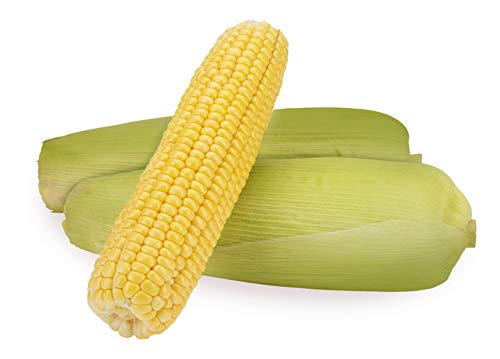
Trend 8: Consumer Tastes Diversify Beyond the Traditional Bhutta
On the consumer side — the trend least discussed in industry reports but genuinely visible in urban India already — sweet corn, baby corn, and popcorn are moving from seasonal, regional specialties toward year-round, nationally available products, driven by organised retail, quick-service restaurants, and a growing appetite for convenient, recognisably "vegetable" snacking options. The India corn market was valued at USD 1.46 billion in 2024 and is expected to reach USD 2.30 billion by 2030, at a 7.86% CAGR — with the poultry and cattle feed segment currently dominant, but consumer-facing corn products representing the fastest-diversifying part of the category.
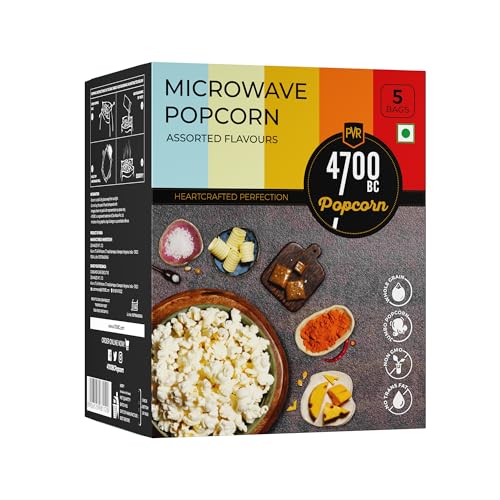
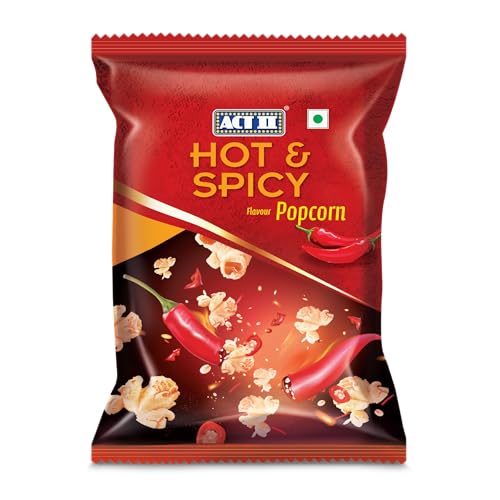
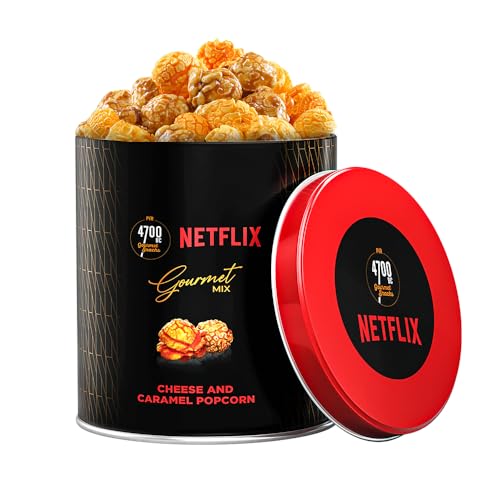
Expect flavoured popcorn, frozen and IQF sweet corn and baby corn, and makka atta-based gluten-free products (all covered in our dedicated posts) to continue gaining organised retail shelf space through 2030 — a genuinely bright spot for smaller agri-businesses and D2C food brands willing to invest in the processing and branding this segment rewards.
What This Means for Each Reader
For farmers: The productivity gap is both the biggest risk and the biggest opportunity in this entire outlook. Farmers who close that gap on their own farm — through hybrid adoption, better soil and fertiliser management, drip irrigation where feasible, and rabi diversification — are positioning themselves squarely inside the demand growth this sector is genuinely experiencing, rather than being left behind by it.
For agri-businesses: The 22-million-tonne demand gap between 2025-26 and 2030-31 has to be filled by something — either productivity gains, acreage expansion, or imports. Each of those pathways implies different business opportunities: input and mechanisation services for the productivity route, land aggregation and FPO models for the acreage route, and import/trade infrastructure if domestic supply genuinely can't keep pace. Watching which pathway dominates over the next 2-3 years will tell you where to position.
For researchers: The GM policy question, the productivity-gap diagnosis (rain-fed dependence, mechanisation, hybrid adoption), and the climate-resilient breeding pipeline are the three most consequential open research and policy questions shaping this sector's next five years — and all three are actively being worked, not neglected.
For consumers: Expect maize, in its many forms, to become steadily more visible in everyday life — not just as bhutta on a monsoon evening, but as the flour in your gluten-free bread, the starch in your processed food, the popcorn flavour innovation on your supermarket shelf, and, increasingly, the fuel in your car's petrol tank.
Final Thoughts
India's maize sector through 2030 is genuinely a growth story — the demand numbers are real, the industrial diversification is real, and the export positioning is real. But it's a growth story with a specific, well-diagnosed structural weakness at its centre: a productivity gap nearly 40% below the global average, sitting uncomfortably alongside demand projected to grow 44% in just five years.
Closing that gap — through better hybrids, better agronomy, better irrigation, and better market linkages — is genuinely the central task of India's maize sector for the rest of this decade. Every other trend on this list, from ethanol to exports to the GM debate, ultimately depends on whether India's maize farmers can grow more grain per hectare, more reliably, than they do today.
At CornIndia, we've spent this entire content series covering exactly the pieces of that puzzle — from soil preparation to hybrid seed production to climate-resilient breeding to market access. If the next five years play out the way current projections suggest, understanding and acting on these fundamentals will matter more than ever.
Related reads on CornIndia: Top 10 Maize-Producing States in India | Maize-Based Biofuel in India: Opportunity or Pipe Dream? | Climate Change and Maize Farming in India: What Farmers Must Know




0 Comments