
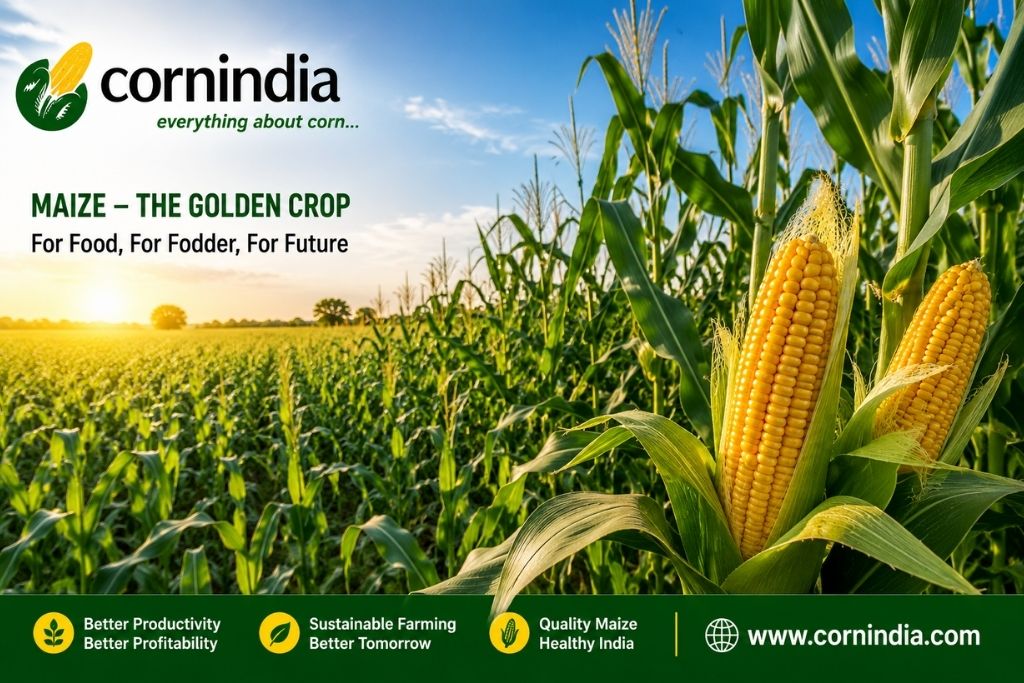
If you've eaten popcorn at a cinema hall, bitten into a bhutta on a rainy evening, or had cornflakes for breakfast — you've already had a close encounter with maize. But maize is so much more than food. It feeds our poultry, fuels our cars, and quietly keeps India's agricultural economy moving.
So, what exactly is maize? And why does India grow it in such massive quantities? Let's break it all down in plain, simple terms.
What is Maize, Exactly?
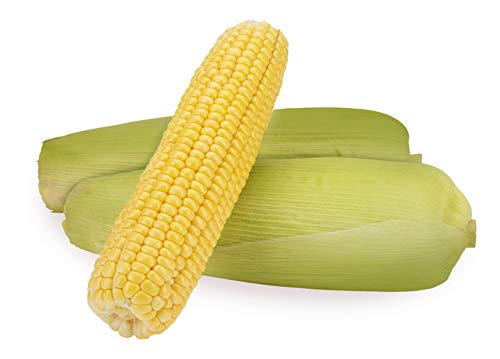
Maize — known scientifically as Zea mays — is a cereal grain that was first domesticated thousands of years ago in Central America. Today, it's grown on every continent except Antarctica and is officially the world's most produced cereal crop.
In India, most people know it as makka or bhutta. Globally, it's also called corn (especially in the United States). Both words refer to the same crop — those tall, leafy stalks that line fields across Madhya Pradesh, Karnataka, and Telangana.
What makes maize genuinely special is how flexible it is. Unlike wheat or rice, which mostly end up on your plate directly, maize has hundreds of uses — from animal feed and industrial starch to biofuel and baby food. That's exactly why it's been crowned the "Queen of Cereals."
Why is Maize so important in India?
India is among the top maize producers in the world, and the numbers tell a compelling story.
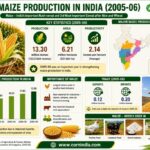
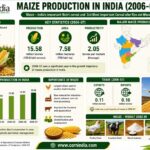
In 2024–25, India produced an estimated 43.41 million tonnes of maize — a record high. That's up significantly from 31.65 million tonnes in 2021–22, reflecting just how fast this crop is growing in importance. Maize now accounts for roughly 10% of India's total food grain production, making it the third most important cereal crop after rice and wheat.
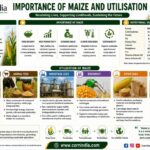
Here's a quick snapshot of why maize matters so much to the Indian economy:
- Poultry & livestock feed — More than 50% of India's maize goes into animal feed, especially for the rapidly growing poultry industry.
- Starch industry — Maize is the primary source of industrial starch used in food processing, paper, textiles, and pharmaceuticals.
- Ethanol production — India's push toward 20% ethanol blending in petrol by 2026 is driving massive new demand for maize.
- Export potential — In 2024–25, India exported over 5.56 lakh tonnes of maize worth more than ₹1,700 crores.
The many types of Maize you should know about
This is where maize really earns its "versatile" tag. It doesn't just come in one form — there are several distinct types, each with very different uses.
1. Field Corn (Yellow / White Grain Maize)
This is the most commonly grown variety in India. It's primarily used for animal feed, starch extraction, and industrial processing. You won't usually eat this directly — it's too starchy and tough when mature.
2. Sweet Corn
Sweet corn is harvested while still young and tender, before the natural sugars convert to starch. It's the type you eat as corn on the cob, in salads, or in soups. Increasingly popular in Indian urban markets and restaurants.
3. Baby Corn
Baby corn is harvested even earlier — before the silk even emerges from the ear. It's small, tender, and eaten whole. You've likely seen it in Chinese dishes and stir-fries. Baby corn farming is gaining popularity in India because it has a very quick crop cycle of around 60 days.
4. Popcorn
Popcorn is a special variety with a hard outer shell and a starchy interior. When heated, the moisture inside turns to steam, and — pop! — you get the snack everyone loves. India has a small but growing market for popcorn farming.
5. Quality Protein Maize (QPM)
QPM is a nutritionally enhanced variety developed through breeding. It contains nearly double the amount of lysine and tryptophan — essential amino acids that normal maize lacks. This makes it incredibly valuable for addressing malnutrition, especially in children.
6. Waxy Corn & High Oil Corn
These are more specialised varieties used by the food processing and pharmaceutical industries. Waxy corn produces a different type of starch that's useful for specific industrial applications.
Where is Maize grown in India?
Maize is grown across India in a wide range of climates and soil types — which is a testament to how adaptable it is.
The top maize-producing states in 2024–25 include:
- Madhya Pradesh — the largest producer, contributing about 15% of India's total output
- Karnataka — a close second, known for both rain-fed and irrigated maize farming
- Maharashtra, Tamil Nadu, Telangana, Rajasthan, Bihar, and Uttar Pradesh — all significant contributors
Interestingly, maize in India is grown in two main seasons:
- Kharif season (June to October) — accounts for about 83% of maize area. Sown at the start of the monsoon.
- Rabi season (November to March) — grown in irrigated fields during winter months. Rabi maize is gaining ground rapidly, especially in states like MP and Telangana, because irrigation gives farmers more control over yields.
How is Maize grown? A quick overview
You don't need a PhD in agronomy to understand the basics of maize cultivation. Here's how it works:
Soil: Maize thrives in well-drained loamy or clayey soils with good organic matter. It doesn't do well in waterlogged or highly saline conditions.
Sowing: Kharif maize is sown between June and July. Rabi maize goes in around November.
Water needs: Maize is moderately water-intensive but is increasingly grown with drip irrigation to conserve water and improve yields.
Harvest: Depending on the variety, maize is ready for harvest in 90–120 days for field corn. Sweet corn and baby corn are harvested much earlier.
Yield: India's average maize yield is around 3.5 tonnes per hectare — which still has significant room to improve compared to global leaders like the US, which achieves 10–12 tonnes per hectare. That gap represents a huge opportunity for Indian farmers who adopt better seeds, irrigation, and crop management.
Maize in your kitchen
If you think maize is just a "farm crop," think again. Walk into any Indian kitchen and you'll likely find maize in more forms than you realise:
- Makka ki roti — the iconic flatbread of Punjab and Haryana, eaten with sarson da saag
- Corn chaat — a popular street food all over India
- Bhutta — roasted corn on the cob, slathered with lime and chilli — the monsoon snack of choice
- Maize flour (cornflour) — used as a thickener in gravies, soups, and baked goods
- Popcorn — the cinema staple
- Baby corn dishes — from Manchurian to Thai curries
Maize is also the base ingredient in many breakfast cereals, packaged snacks, and even soft drinks (via corn syrup).
The Future of Maize in India
India's maize story is only getting bigger. Three major trends are shaping the next decade:
1. Ethanol demand: The government's ethanol blending programme is pushing distilleries to source more maize. This is expected to create consistent, high-volume demand for farmers well into the 2030s.
2. Poultry and aquaculture boom: As India's middle class grows, so does its appetite for chicken and fish. Both industries rely heavily on maize-based feed.
3. Value-added products: Sweet corn, baby corn, processed maize snacks, and QPM-based nutrition products are opening new markets — and better price realisations — for Indian farmers.
Final Thoughts
Maize is one of those crops that quietly does a lot of heavy lifting for India's economy, nutrition, and food system. Whether you're a farmer thinking about what to plant next season, an entrepreneur eyeing the food processing space, or just a curious reader who wanted to know what's in that bag of chips — understanding maize is worth your time.
At CornIndia, we've spent years working with maize farmers, seed companies, and agri-businesses across the country. If you have questions about maize cultivation, seed selection, or market opportunities, feel free to reach out or browse our resources.
Because in India, maize is not just a crop — it's a growth story still being written.
Explore more on CornIndia: Sweet Corn | Baby Corn | Popcorn



0 Comments