
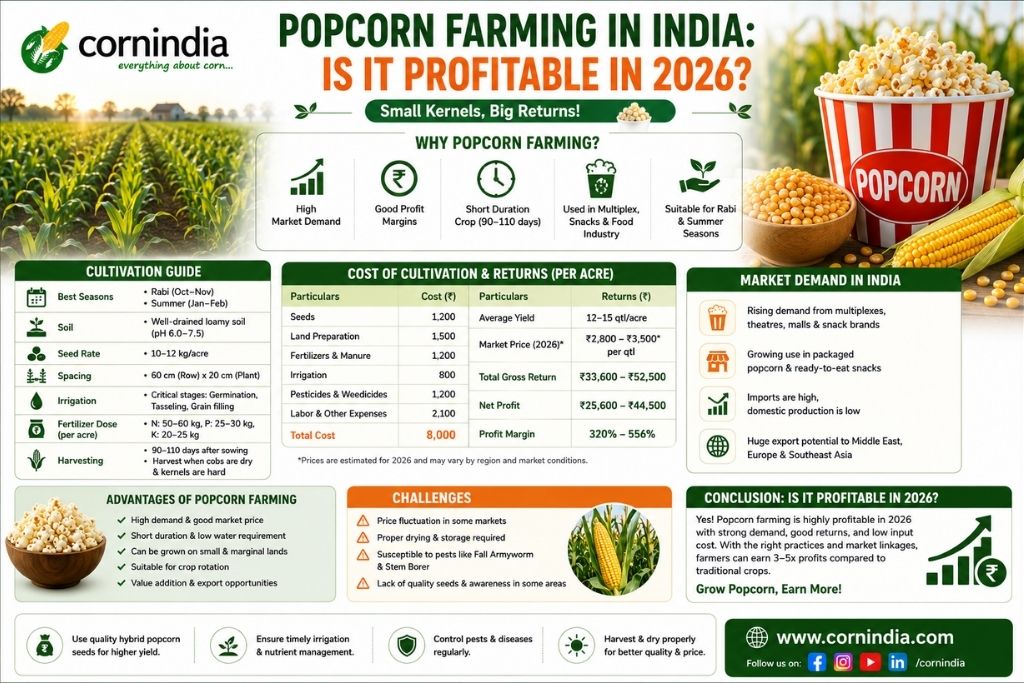
Every time someone buys a ₹200 box of popcorn at a multiplex — and millions of Indians do this every week — they're participating in one of India's fastest-growing snack markets. But very few people stop to think about where that popcorn actually starts: on a farm, from a very specific type of maize seed that most farmers haven't even considered growing.
That gap between a booming consumer market and limited farm-level awareness is exactly the opportunity this post is about.
Popcorn farming in India is niche. It's not the first thing any agronomist recommends. But for farmers with the right conditions and the right market linkage — and for agri-businesses thinking about processing and supply chain plays — it deserves a serious look in 2026.
Let's break it all down.
What Makes Popcorn Different from Regular Maize?
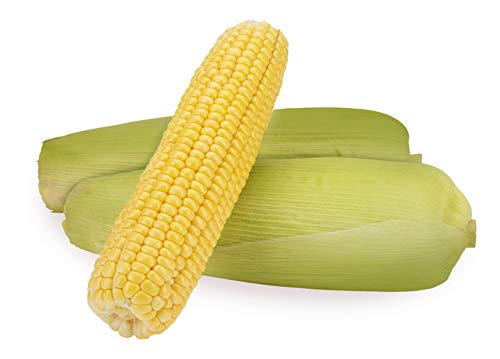
Popcorn is a distinct botanical variety of maize — Zea mays var. everta — and it differs from field corn and sweet corn in one very specific way: its kernel has an exceptionally hard, moisture-sealed outer hull (pericarp) encasing a starchy interior.
When you heat a popcorn kernel, the moisture trapped inside turns to steam. Pressure builds until — at around 180°C — the hull ruptures and the starch inside expands rapidly, turning inside out into that familiar fluffy white puff. This "explosion" is unique to the everta variety. Field corn and sweet corn kernels don't pop this way because their hulls aren't built for it.
Two numbers matter most when evaluating popcorn quality:
- Popping rate: The percentage of kernels in a batch that actually pop. ICAR's minimum standard for a variety to be released is ≥85%. Anything below this is commercially unacceptable.
- Popping expansion volume (PEV): How much the kernel expands when it pops. Measured in ml per ml of original kernel volume. ICAR's minimum threshold is 15 ml/ml. Higher PEV means fluffier popcorn — and fluffier popcorn commands better prices from processors and cinema chains.
The key implication for farmers: popcorn must reach full maturity before harvest. Unlike sweet corn (harvested young) or baby corn (harvested immature), popcorn needs to dry completely on the plant. Premature harvesting destroys popping quality — and with it, your price premium.
The Market You're Farming For
Before talking about how to grow it, it's worth understanding what you're growing it for. The demand side of India's popcorn story is genuinely compelling.
India's popcorn market was valued at USD 366.6 million in 2024 and is projected to reach USD 662.7 million by the end of 2030, growing at a CAGR of 12.57% over the forecast period.
The India popcorn market size reached USD 390.1 million in 2025. Looking forward, projections suggest the market could reach USD 695.1 million by 2034, at a CAGR of 6.3% during 2026–2034. The growing consumption during leisure activities such as movie-watching, sports events, and social gatherings, wide availability through various distribution channels, and rising popularity of multiplexes and at-home entertainment options are key factors driving the market.
One forecast projects the India popcorn market growing at a CAGR of 13% during 2026–2032, driven by increasing demand for healthier snack options and the rise of ready-to-eat popcorn.
Different research firms give different CAGRs (6.3% to 13%), but the direction is consistent: India's popcorn market is growing fast, across multiple segments — cinema, retail, microwave, and gourmet.
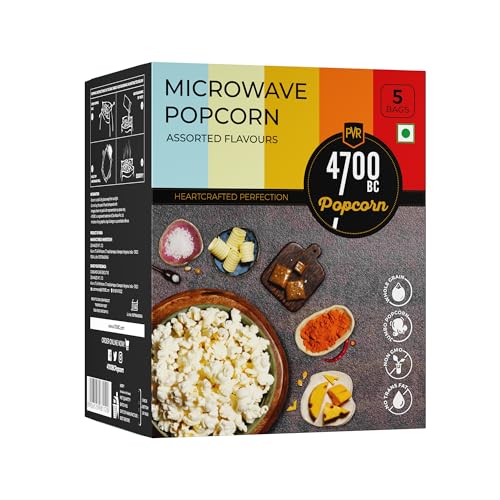
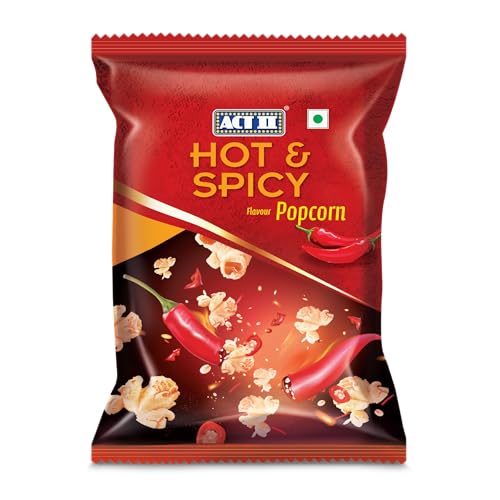
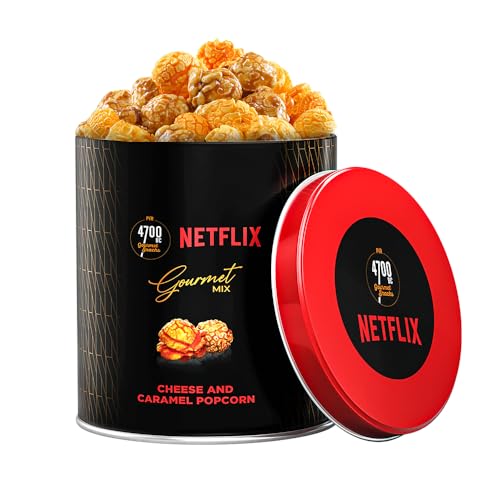
The domestic brands fuelling this: Act II (the market leader), 4700BC, Popcorn & Co., and Kurkure Popcorn have all expanded aggressively. Premium flavoured popcorn — caramel, cheese, sriracha, even masala chai — is now a serious retail category in Tier 1 and Tier 2 cities.
What does this mean for farmers? The processors and brands behind these products need a consistent, quality popcorn grain supply with high popping rates and expansion volumes. India's domestic popcorn kernel production is still relatively limited — most large processors source from domestic farmers and some import. That supply gap is a real opportunity.
ICAR-Approved Varieties: Your Starting Point
The varietal landscape for popcorn in India comprises a few public sector-derived composite varieties — VL Amber Popcorn, Pearl Popcorn, Jawahar Popcorn 11, KDPC 2 (Shalimar), and Bajaura Popcorn — along with more recent single cross hybrids: APCH2, APCH3, BPCH6, DMRHP1402, LPCH2, and LPCH3, besides several commercially cultivated private sector bred and imported varieties.
Here's a closer look at the key options:
Public Sector / ICAR Varieties
| Variety | Type | Key traits | Suited to |
|---|---|---|---|
| VL Amber Popcorn | Composite | National check variety; medium maturity; yellow pearl kernels | Hill zones (Himachal Pradesh, Uttarakhand), North India kharif |
| Pearl Popcorn | Composite | White pearl kernels; medium maturity | North India, peninsular rabi |
| Jawahar Popcorn 11 | Composite | Good popping expansion; widely adapted | Central India (MP, Chhattisgarh) |
| KDPC 2 / Shalimar Popcorn | Composite | Adapted to J&K and hill conditions | Hill states |
| Bajaura Popcorn | Composite | Bred for high-altitude conditions | HP, Uttarakhand |
Recent ICAR Hybrids (Higher Yield Potential)
| Hybrid | Notes |
|---|---|
| DMRHP1402 | One of the ICAR national check hybrids; tested across AICRP sites |
| BPCH6 | ICAR hybrid; national check; improved popping expansion |
| APCH2 / APCH3 | Single cross hybrids from ICAR; better yield uniformity than composites |
| LPCH2 / LPCH3 | Newer ICAR hybrids with improved per-acre yield potential |
Private Sector Options
Several private seed companies also sell popcorn hybrids in India, often sourced from or based on US and European germplasm lines. These typically have higher popping expansion volumes (sometimes exceeding 30 ml/ml) and are preferred by commercial processors and cinema chain suppliers. Check with your local seed dealer or KVK for availability in your region.
ICAR's minimum quality parameters for new variety release are a popping rate of ≥85% and a popping expansion volume of 15 ml/ml, along with yield superiority of at least 5% over national check varieties across years. When comparing varieties, ask your supplier for both these numbers — not just yield.
Important: All ICAR-released popcorn varieties are medium-sized, yellow and white pearl kernel types. These varieties can be grown across the country during kharif season, while in rabi they can predominantly be grown in peninsular India.
Where in India Should You Grow Popcorn?
Popcorn can be grown across most of India, but three regions stand out based on agro-climatic suitability, existing farmer experience, and proximity to markets.
1. Rajasthan and Madhya Pradesh — Traditional Belt
The dry, sunny conditions of Rajasthan (particularly southern districts like Bhilwara, Chittorgarh, and Udaipur) and central MP are naturally suited to popcorn's need for full maturity and low humidity at harvest. Dry air during grain filling and at harvest helps achieve the precise moisture content (13–14%) that maximises popping quality. These states have the longest history of popcorn cultivation in India.
2. Himachal Pradesh and Uttarakhand — Hill Varieties Home
ICAR's hill-adapted varieties (VL Amber, Bajaura, KDPC 2/Shalimar) were specifically developed for these states. The cool, dry hill climate is excellent for achieving high popping expansion. Farmers in Himachal Pradesh and Uttarakhand have grown popcorn for local and regional markets for decades.
3. Peninsular India (Telangana, Karnataka, Andhra Pradesh) — Rabi Opportunity
For farmers in South India with irrigation access, rabi popcorn (October–November sowing, February–March harvest) is an increasingly viable option. In rabi, popcorn can predominantly be grown in peninsular India, where dry winter conditions support good grain filling and quality drying. With large processor networks and growing urban markets in Hyderabad, Bengaluru, and Chennai nearby, the market access equation works well here.
How to Grow Popcorn: The Key Steps
Popcorn cultivation is broadly similar to field corn, with a few critical differences.
Season and Sowing
- Kharif: June–July across India
- Rabi: October–November in peninsular India (irrigated)
- The recommended seed rate for popcorn is 12.5 kg/ha — higher than hybrid field corn (7.5–10 kg/ha) but lower than baby corn (25 kg/ha)
- Spacing: 60 × 20 cm (row × plant) is standard
- Sowing depth: 3–5 cm in moist, well-prepared soil
Land and Soil
- Well-drained loamy or sandy loam soils; pH 6.0–7.5
- Avoid waterlogged fields — popcorn roots do not tolerate standing water
- Prepare land to fine tilth; incorporate FYM (5–6 tonnes/acre) before sowing
Fertiliser
Fertility requirements for popcorn are similar to normal corn — fertiliser doses should be decided on the basis of a soil test. As a general guide, apply 120–150 kg N/ha (split across basal, knee-high, and pre-tasselling), 60 kg P₂O₅/ha, and 40 kg K₂O/ha at basal. Include zinc sulphate (10 kg/acre) at sowing.
Water Management
Popcorn's critical irrigation windows mirror field corn — at knee-high stage (20–25 DAS), tasselling/silking (55–65 DAS), and grain filling (70–80 DAS). Avoid over-irrigation: excessive moisture in the final grain-filling stage can increase kernel moisture and reduce popping quality.
Pest and Disease Management
Popcorn faces the same pest pressures as field corn — fall armyworm, stem borer, and leaf blights are the primary threats. Install pheromone traps for FAW monitoring from day one. Manage turcicum and maydis leaf blights with preventive mancozeb sprays. Apply no pesticides within 14 days of harvest to comply with food safety standards, particularly important if selling to processors.
The Most Critical Step: Harvesting at Full Maturity
This is where popcorn differs most from other maize types. Do not harvest early. Popcorn must be physiologically mature before harvest — the husk should be fully dry and brown, the kernels hard and fully dented, and the black layer at the base of each kernel should be fully formed.
After field harvest, dry the grain to 13–14% moisture before storage and sale. This moisture level is the sweet spot for maximum popping performance. Below 10% and the kernels become brittle and don't pop well. Above 14% and they may pop partially or rot in storage.
Drying can be done by sun-drying on clean, raised platforms for 5–7 days in dry weather, or using mechanical dryers for larger volumes. Store in clean, dry, well-ventilated facilities — popcorn absorbs moisture rapidly and loses popping quality if stored poorly.
What Does the Numbers Look Like?
Here's a realistic economics snapshot for popcorn farming in India in 2026:
| Item | Typical figure |
|---|---|
| Crop duration | 95–110 days (kharif); 100–120 days (rabi) |
| Seed rate | 12.5 kg/ha |
| Cost of cultivation | ₹20,000–₹28,000/acre |
| Grain yield | 12–18 quintals/acre (1.2–1.8 tonnes/acre) |
| Farm gate price — local mandi | ₹2,000–₹2,800/quintal |
| Farm gate price — processor/direct buyer | ₹3,000–₹4,500/quintal |
| Gross income (at processor price, 15 qtl/acre) | ₹45,000–₹67,500/acre |
| Net profit estimate | ₹18,000–₹40,000/acre |
Why the wide range? Two factors drive the gap between low and high ends: variety (newer hybrids yield more than old composites) and market channel (processor contracts pay 30–60% more than open mandi).
Farmers who secure direct supply agreements with popcorn processors, cinema chains, or retail packagers consistently realise the higher end of this range. Those selling at the open mandi compete with commodity maize prices and lose the premium.
The Agri-Business Opportunity
For entrepreneurs and processors, popcorn offers something the commodity maize market doesn't: margin through differentiation.
The value chain from raw popcorn kernel to finished retail pack involves three key value-addition steps — cleaning and grading, popping and seasoning, packaging. The global popcorn market was valued at USD 9.78 billion in 2025 and is expected to grow at a CAGR of 10.96% to reach USD 18.24 billion by 2031, with Asia Pacific pacing the field with a 12.25% CAGR outlook. India is right in the growth zone of this global trend.
Specifically interesting for Indian agri-business:
Cinema chain contracts: PVR INOX, Cinepolis, Carnival, and hundreds of single-screen theatres buy popcorn in bulk. Most source via distributors. A direct farmer-to-theatre supply chain — with consistent quality and grading — is an opportunity that most districts with multiplex presence haven't seen a local player fill yet.
Microwave popcorn contract packing: The microwave popcorn segment is India's fastest-growing within the category. Brands like Act II source popping corn kernels continuously. Becoming a certified quality supplier to one of these brands requires investment in cleaning, grading, and food safety certification — but the volumes and long-term relationships justify it.
Gourmet and flavoured popcorn: The India popcorn market is benefiting from the introduction of innovative flavors, premium variants, and healthier formulations such as organic and gluten-free options. D2C brands like 4700BC have demonstrated that Indian consumers will pay ₹150–₹350 for premium packaged popcorn. For agri-entrepreneurs with access to popcorn grain and a popping unit, this is a direct-to-consumer opportunity with strong margins.
FPO-based aggregation: A Farmer Producer Organisation that aggregates popcorn grain from 50–100 farmers, installs a small grading and drying unit, and sells directly to one or two processors eliminates 2–3 middlemen from the supply chain. The per-quintal price improvement alone can fund the infrastructure over 2–3 seasons.
Honest Assessment: Where Are the Risks?
Popcorn farming isn't without its complications. Here's what to watch out for:
1. Market linkage is non-negotiable. Unlike field corn with an MSP backstop and ready mandi buyers, popcorn has a narrow buyer base. Selling generic popcorn at a general grain mandi typically gets you field corn prices — which defeats the purpose. You need a processor, aggregator, or direct buyer lined up before you sow. This is the single most important precondition for popcorn profitability.
2. Quality discipline is strict. Premature harvest, poor drying, or improper storage can reduce your popping rate from 90%+ to 60% or below — making your crop commercially unacceptable to any serious buyer. There's very little room for error on quality management.
3. Variety availability can be patchy. Certified popcorn seed — especially the newer ICAR hybrids and private varieties with high PEV — is not as widely available as field corn or sweet corn seed in all districts. Plan your seed procurement 6–8 weeks before sowing, not the week before. Contact your KVK or seed company representatives early.
4. Isolation from other maize. Like sweet corn, popcorn can be cross-pollinated by adjacent field corn or sweet corn, which degrades popping quality. Maintain 400+ metres of separation or stagger sowing by 3+ weeks to avoid overlapping flowering periods.
Final Verdict: Is It Profitable in 2026?
Yes — but conditionally.
Popcorn farming is profitable in 2026 if you have three things in place: the right variety for your region, a committed buyer or processor agreement before sowing, and the discipline to harvest and dry at exactly the right stage.
Without all three, you're likely to end up selling specialty-input grain at commodity-grain prices — which doesn't work economically.
With all three in place, popcorn can deliver ₹18,000–₹40,000 net profit per acre per season — comparable to sweet corn and significantly better than field corn in the right set-up. For agri-businesses, the processing and direct-to-consumer angles carry even stronger margins.
The India popcorn market is genuinely growing — at a CAGR between 6% and 13% depending on whose estimate you use, but consistently upward across all projections. The consumer demand is there. The question is whether India's farming and processing ecosystem can organise itself to meet it.
At CornIndia, we track the popcorn segment closely and can help you with variety selection, agronomic guidance, and market connections. If you're seriously considering popcorn farming or processing, get in touch — let's figure out if it's the right fit for your farm or business.
Related reads on CornIndia: Sweet Corn vs Field Corn: What's the Real Difference? | Baby Corn Cultivation: Everything You Need to Know | How to Grow Sweet Corn in India




0 Comments